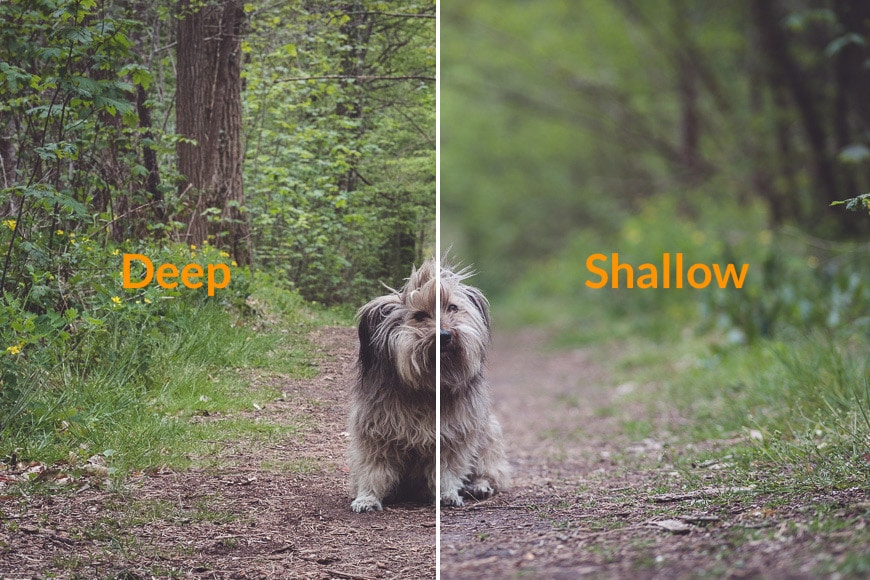
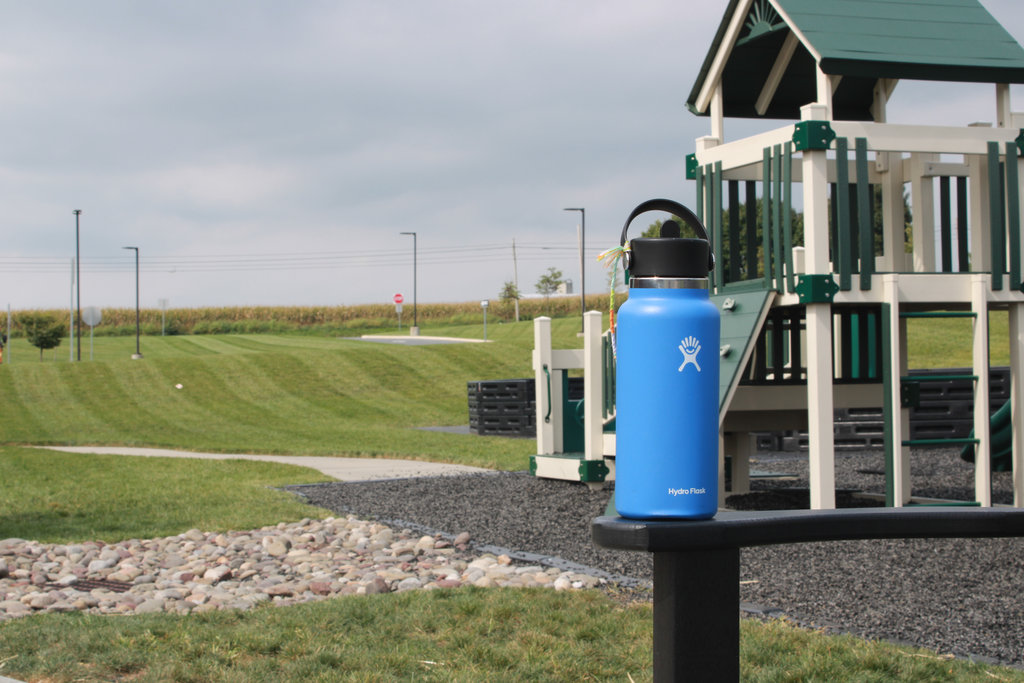
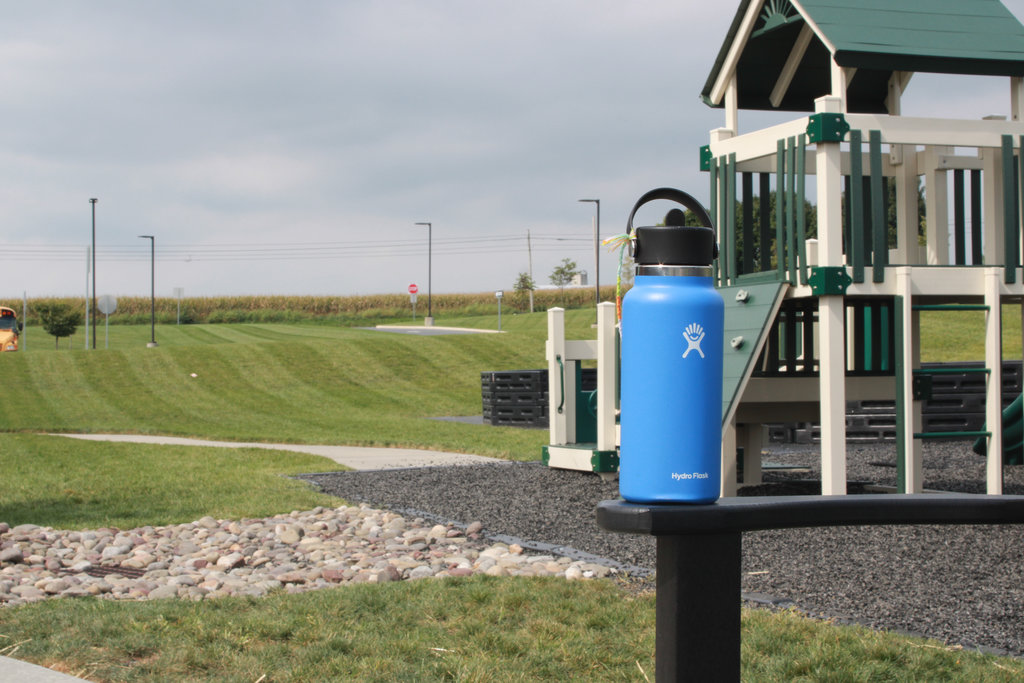
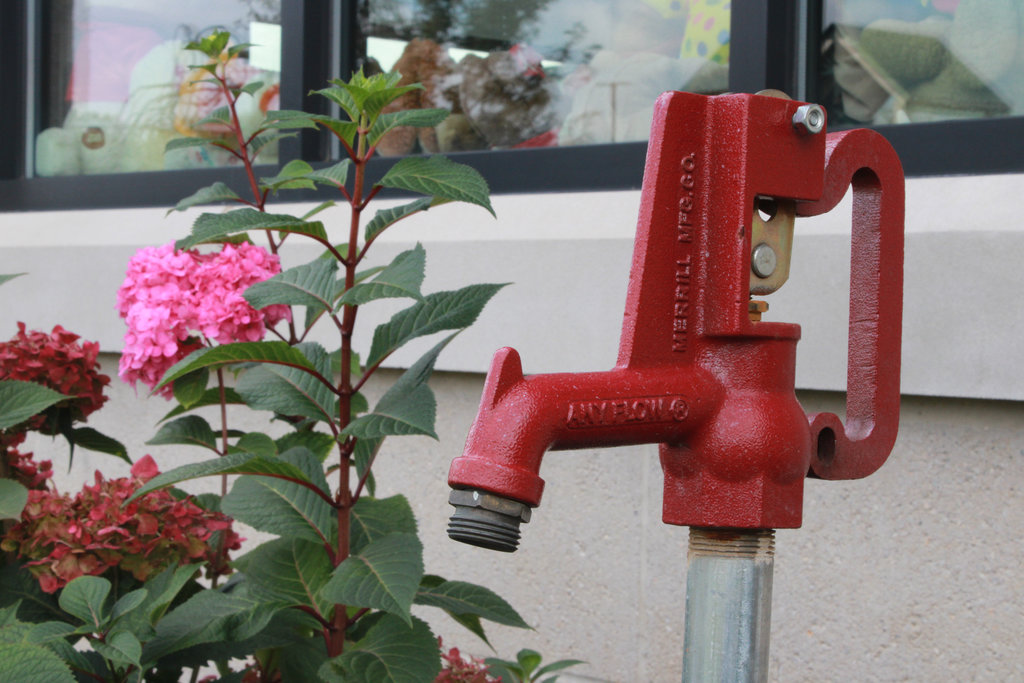
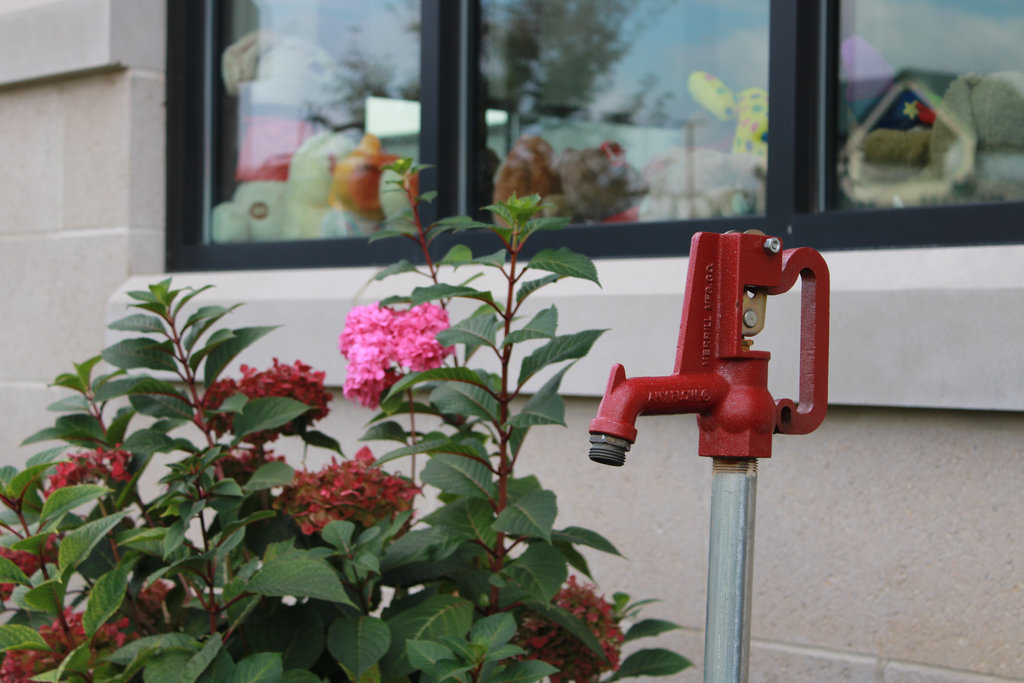
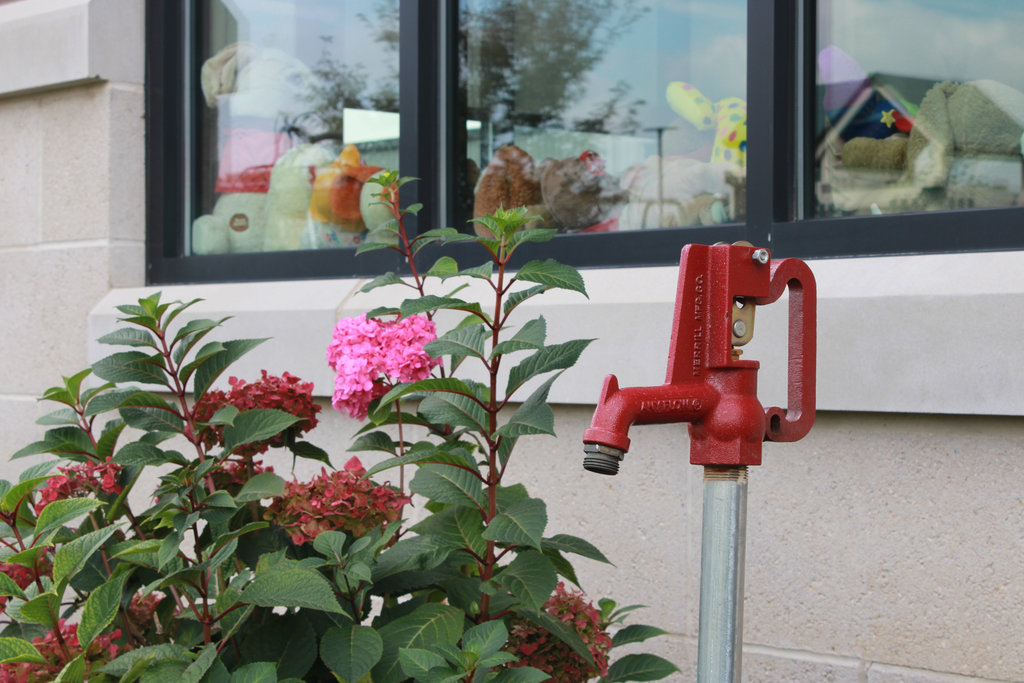
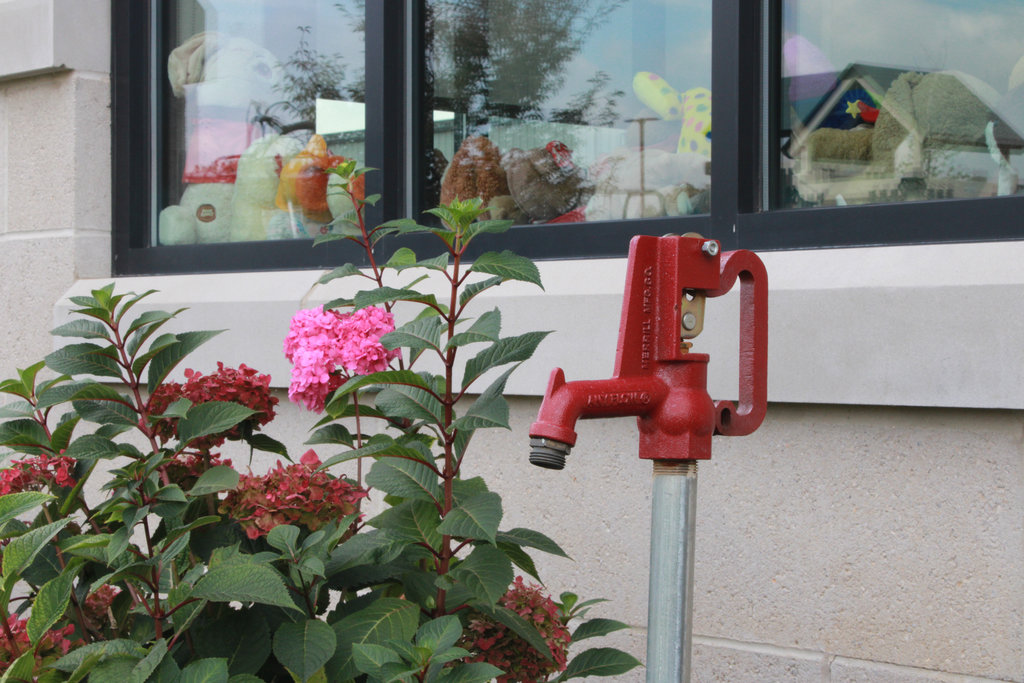
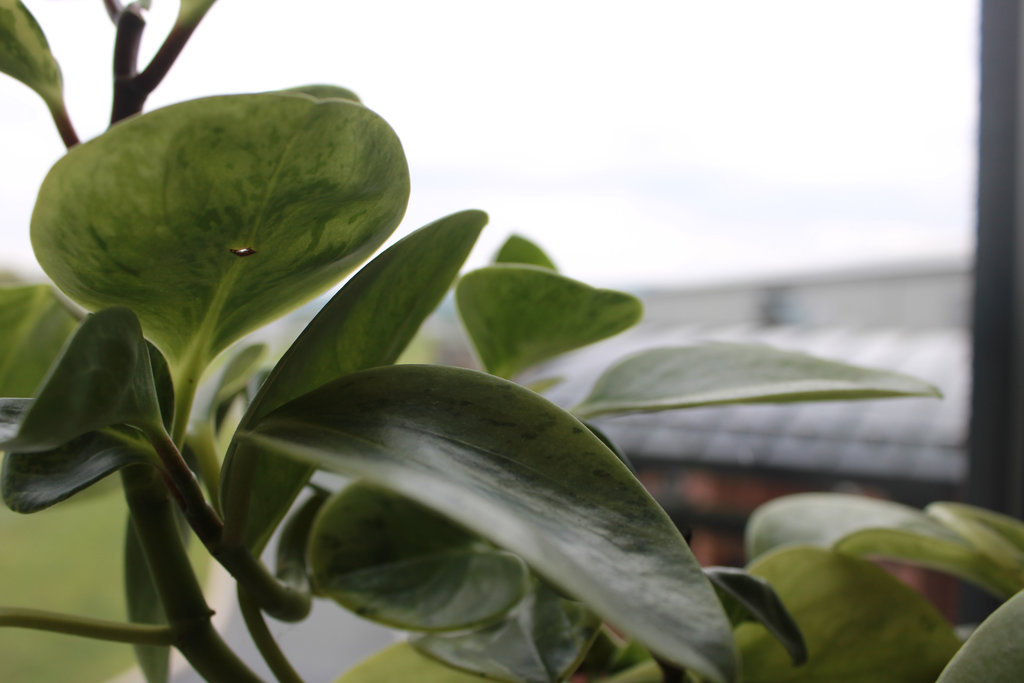
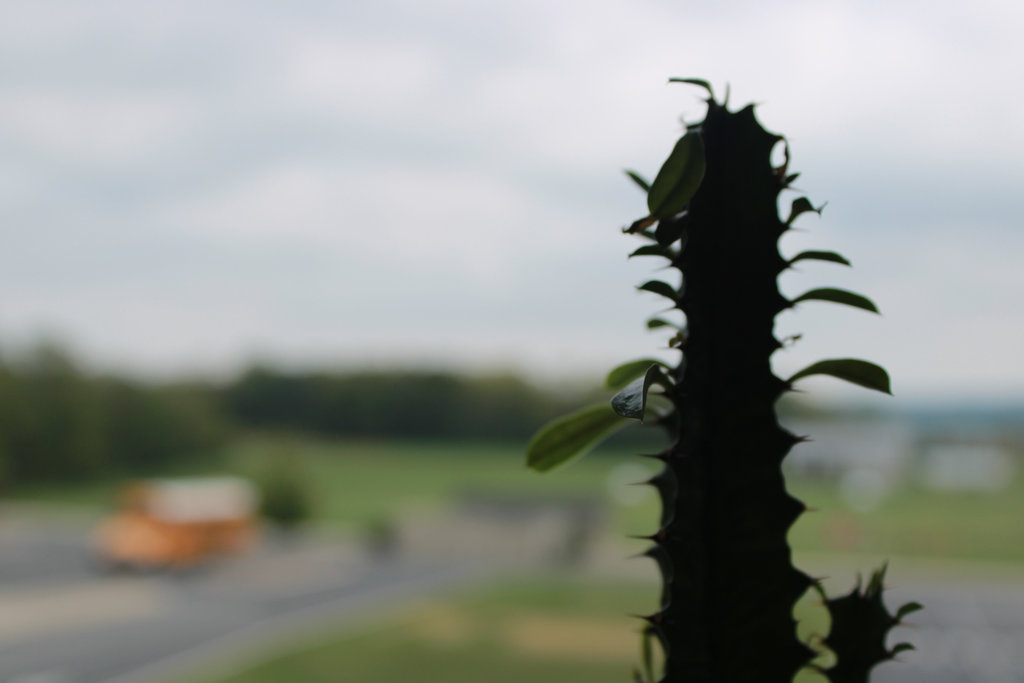
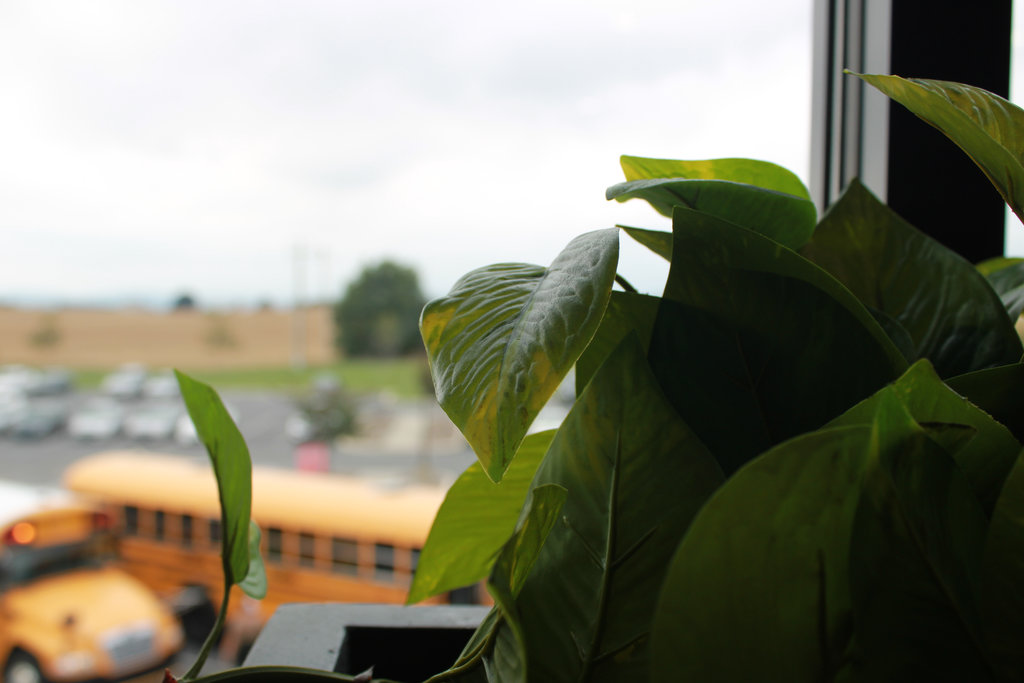
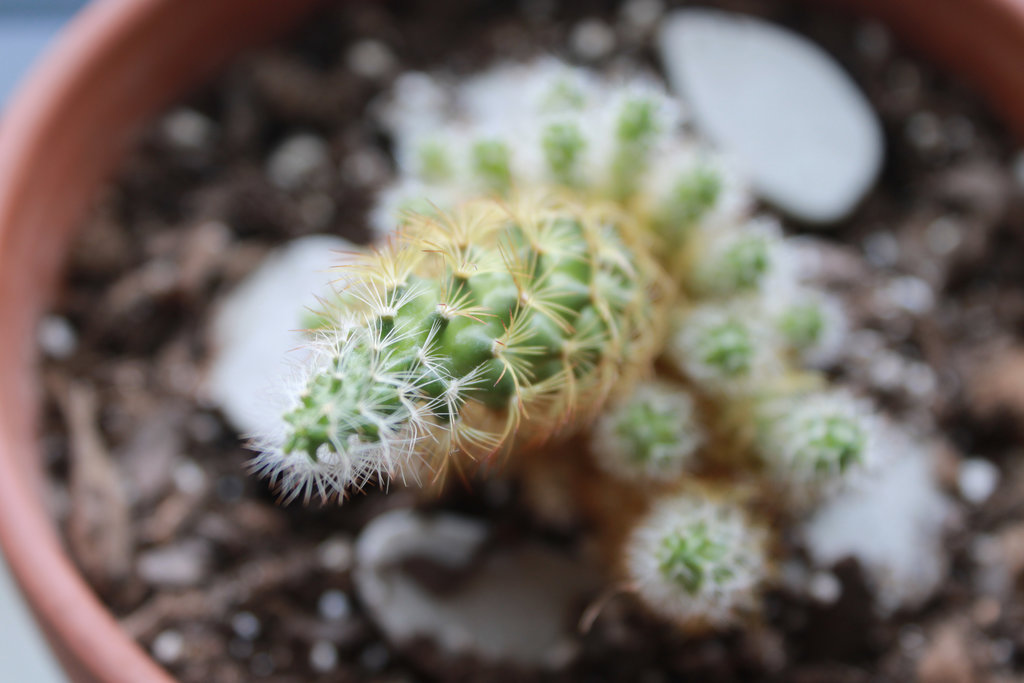
A depth of field (DOF) is the range of distance in a photo that appears in focus. It is like a specific zone. Everything inside of the zone appears clear and pointed. Whatever is not inside the zone comes out blurred. Sometimes, when the zone is large, much of the photo may appear clear and pointed. Photographers may use a DOE to help make an object stand out from its background. A photographer may use a shallow depth of field when taking a picture of a specific flower in the midst of a garden. They, likewise, may use a large depth of field when photographing a landscape.
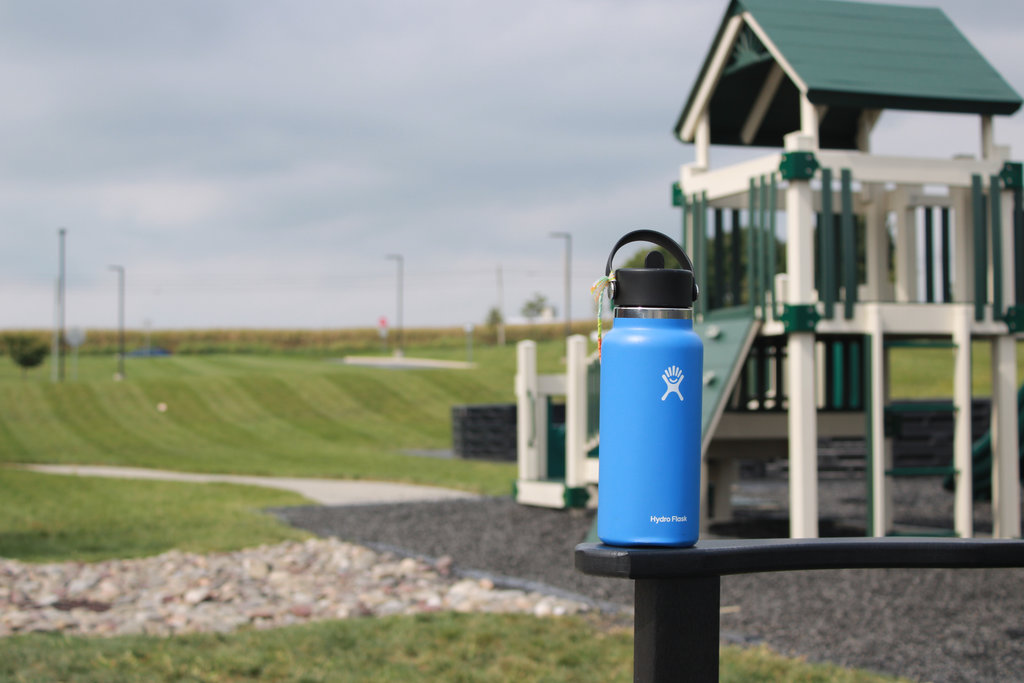
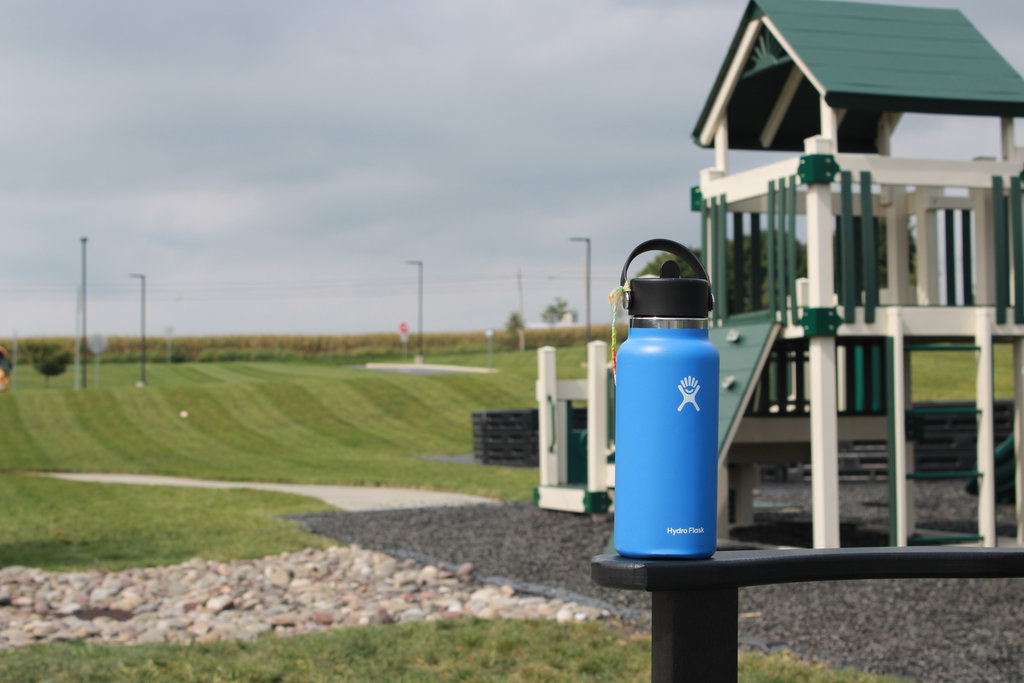
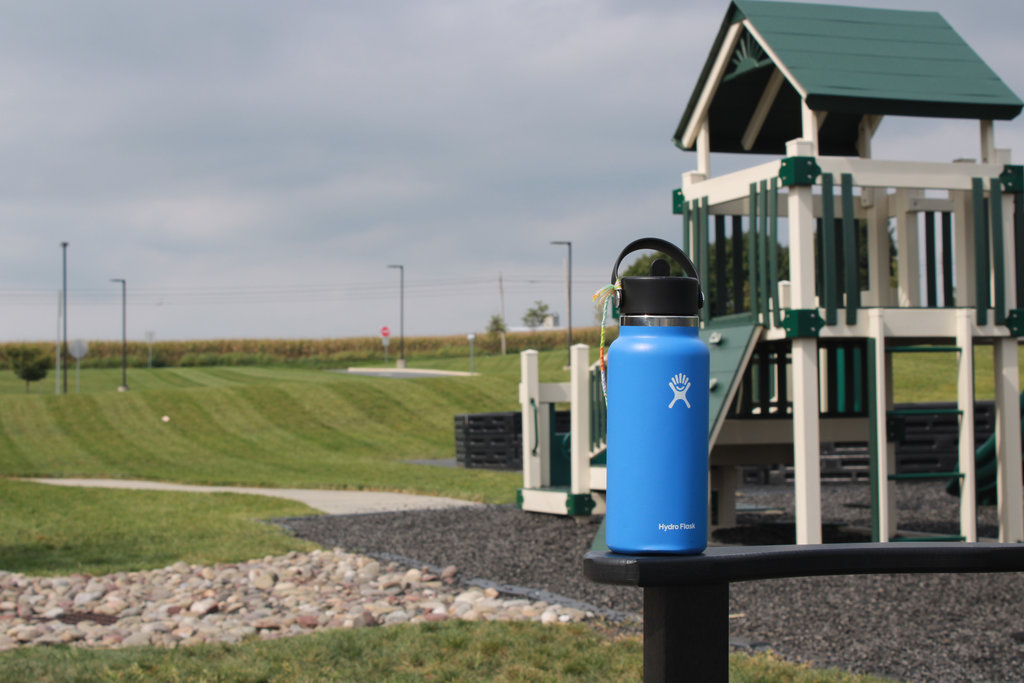
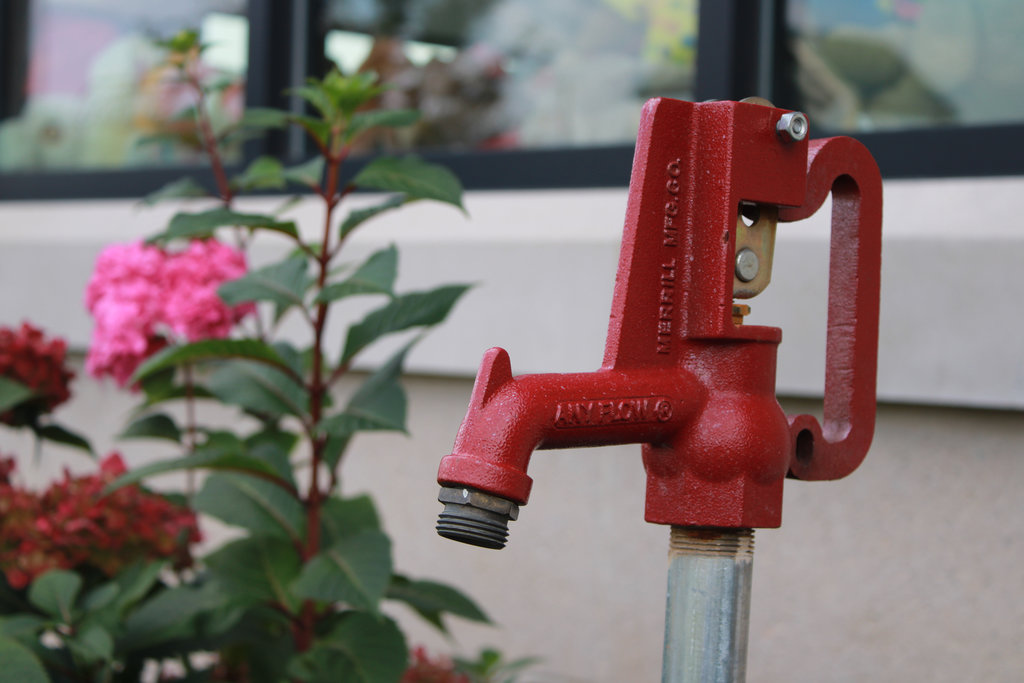
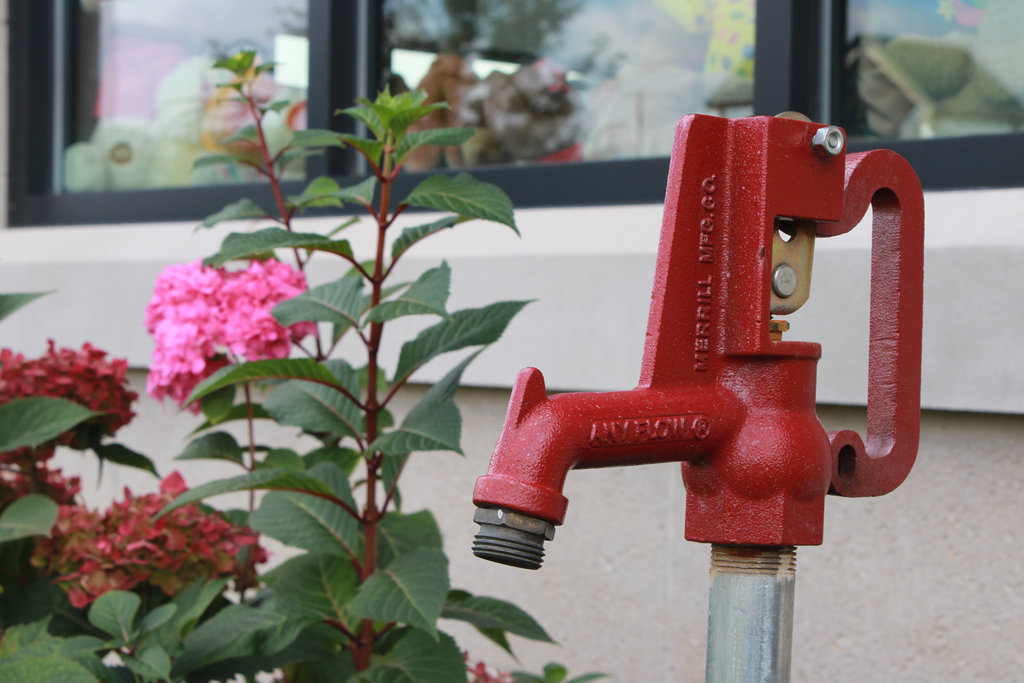
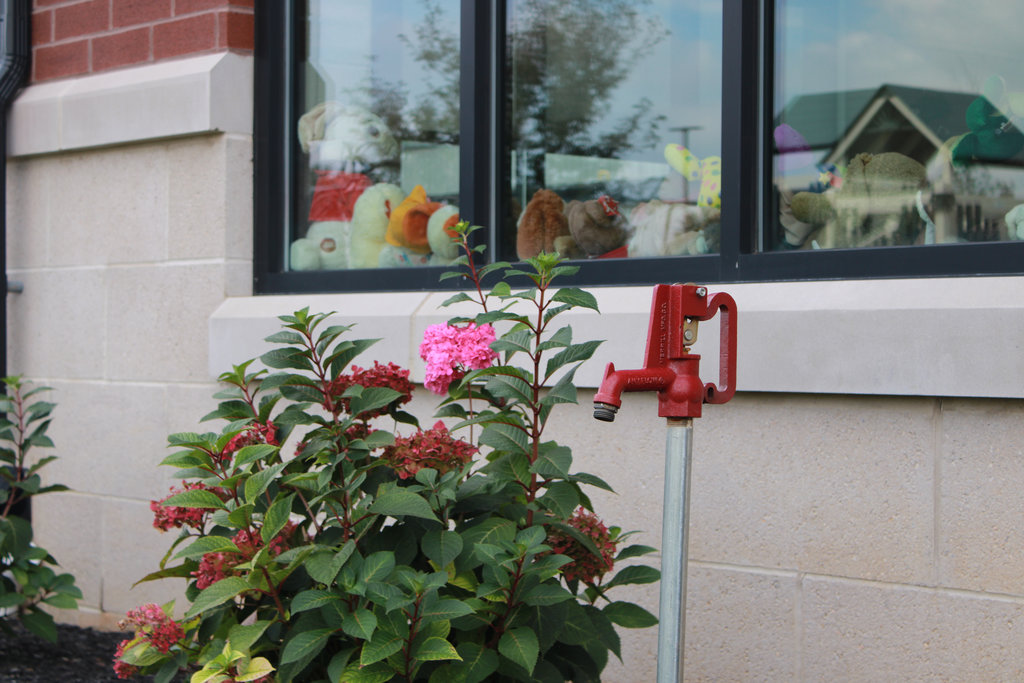
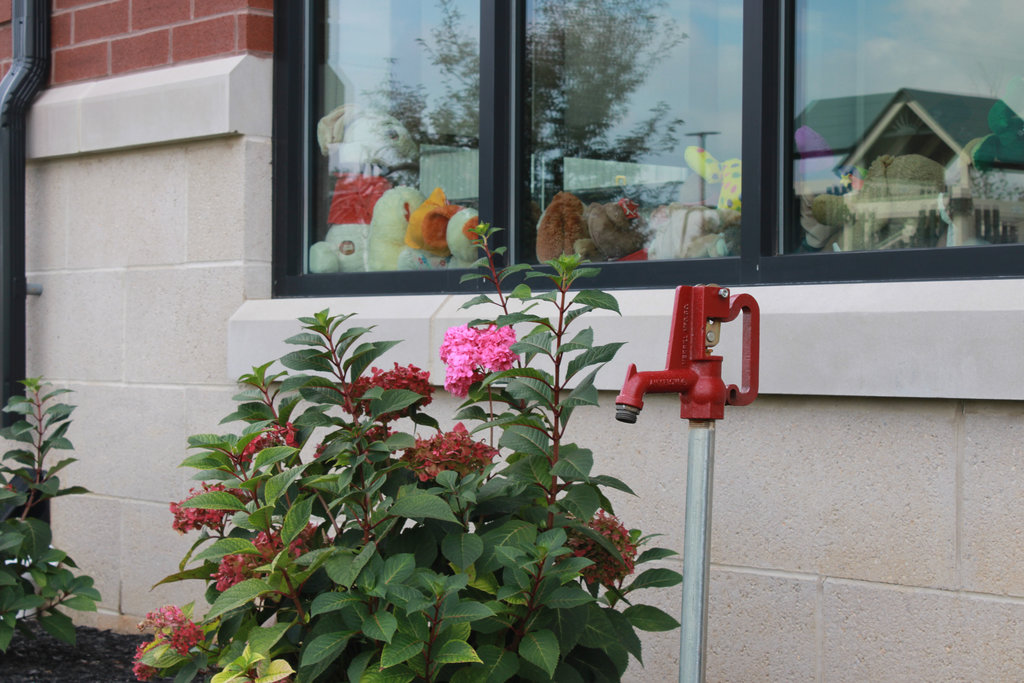
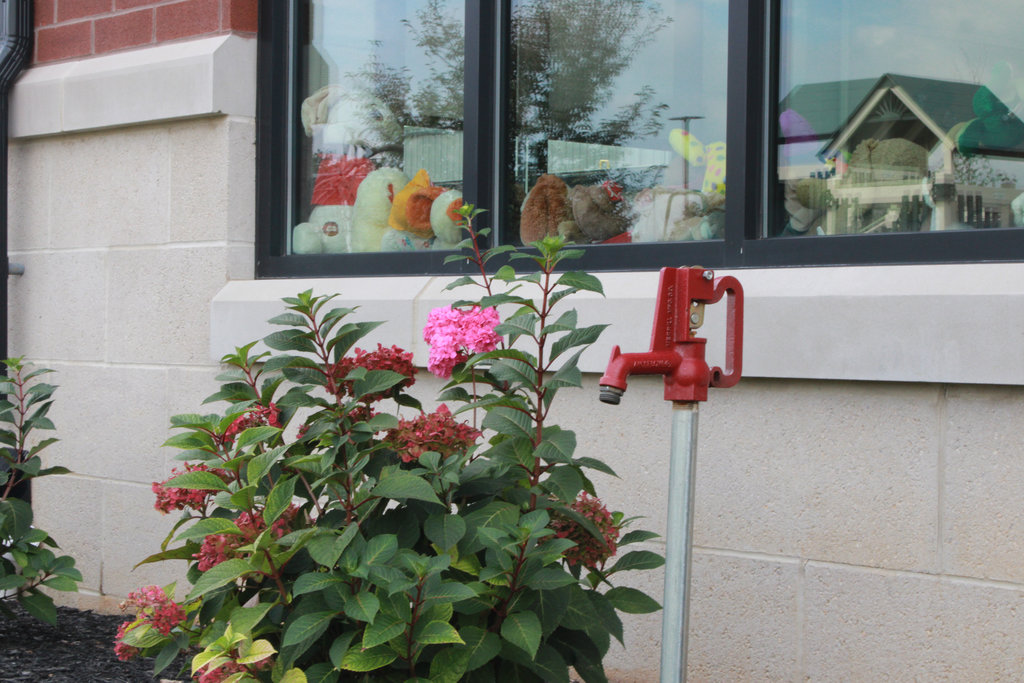
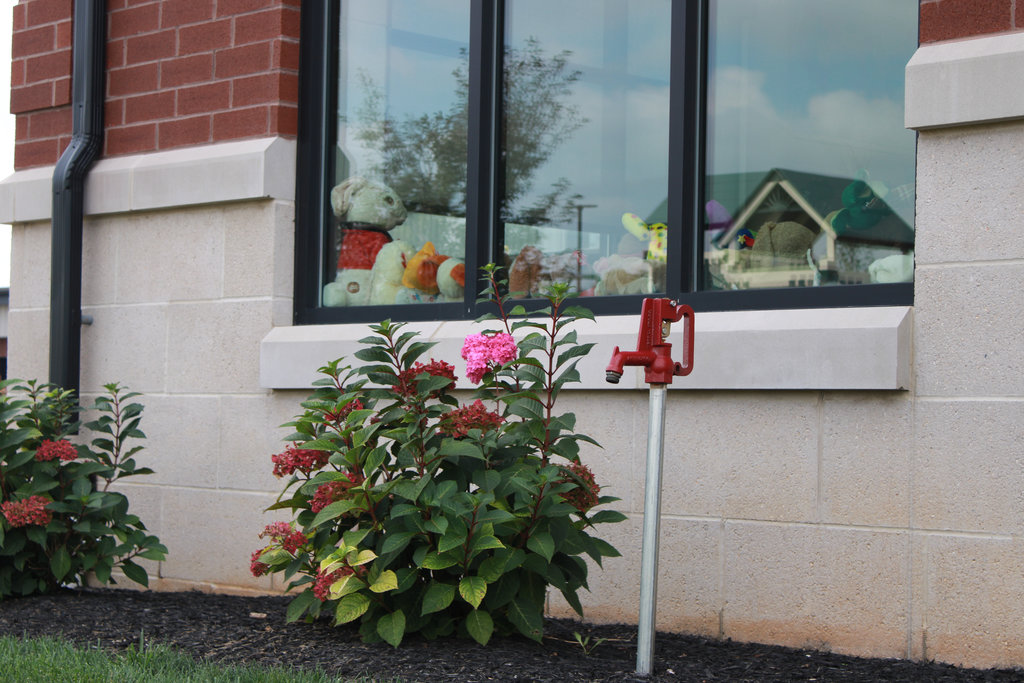
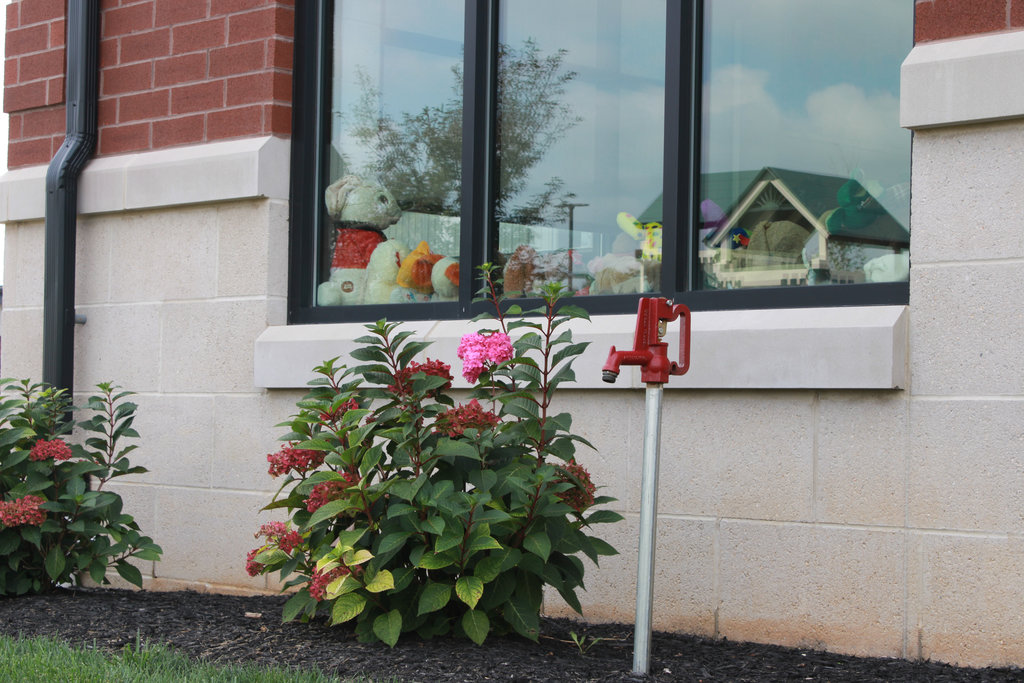
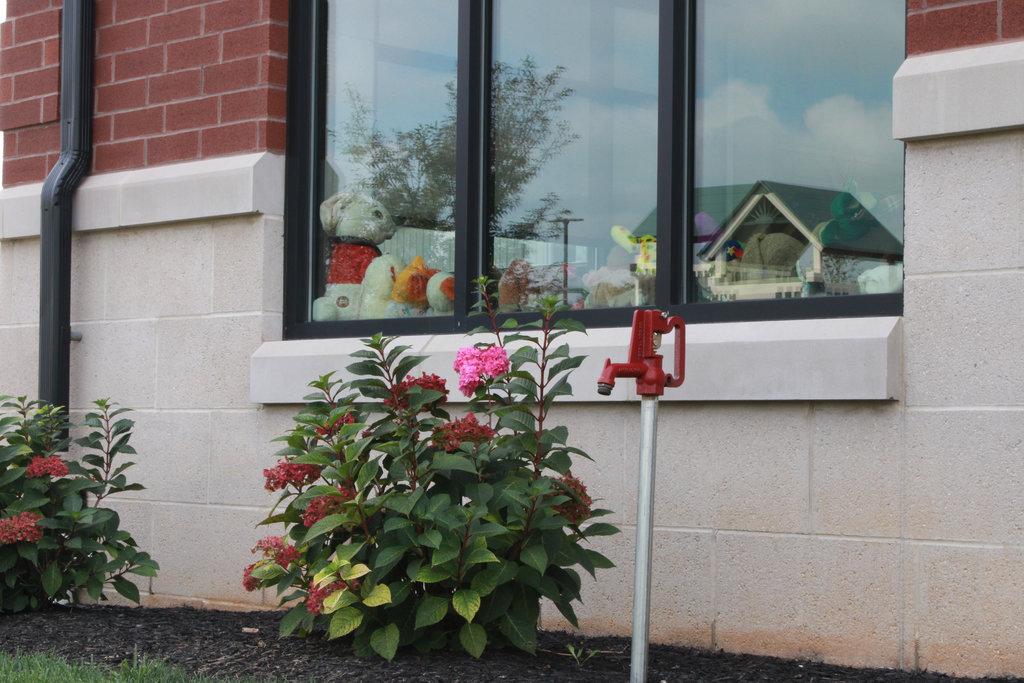
Notice in the first photo, which has an aperture of f/5.6, the background is quite a bit more blurred than the final photo, which has an aperture of f/22. The aperture affects the DOF. A higher aperture means longer depth of field. A lower aperture means a shorter depth of field.
In these photos, there were both a changing distance from the subject and a changing aperture. The changing distances affected the depth of field. The closer the photo was taken, the smaller the depth of field. The farther away the photo was taken, the greater the depth of field.
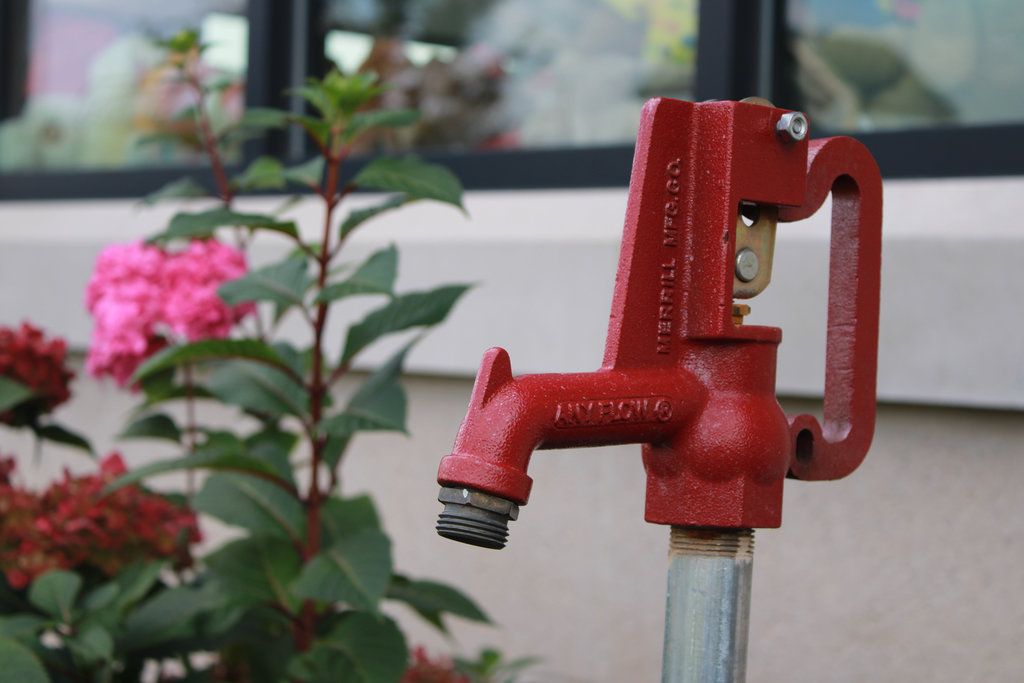
My favorite photo from the aperture bunch. I like how the flowers in the background aren’t the focal point of the picture because they are blurred. I like how the red water pump stands out boldly and contrasts with the green plants. The details are clear and pronounced.